Property valuation
What happens on a property or land valuation review call?
A specialist goes through the details you share about a home, a plot or an unused space, then talks you through how it is valued and what it could reasonably be used for.
If you are reading this because you would like a small additional income that fits around the rest of the day, the most useful first question is usually about the asset rather than the income. What is a house, a plot of land or an unused outbuilding worth at the moment, and what could it reasonably be used for? A valuation review call is where that conversation tends to begin.
Valuations go out of date quietly. A household contract rolls over each year because nothing on paper changes and nobody looks again. An old estimate of a property behaves the same way: the neighborhood changes, comparable homes sell, a plot is rezoned, the owner adds a garage, and the number on file stays where it was. A review is a deliberate look at that gap.
The request page is part of this site; nothing has to be switched afterwards.
See how the valuation call worksWhat a valuation review covers, from the first form to the last question
The process has two parts, and both are short. The first is an interactive request on this site. You describe the property, land or project in plain terms, choose which areas you would like in a written breakdown, and leave contact details. The second is a call from a specialist, who goes through the breakdown with you and answers questions about it.
What gets looked at depends on what you bring. For a house, that tends to mean location, size, condition, recent changes and how similar homes nearby have sold. For land, zoning and access carry more weight. For a spare room, an outbuilding or a skill you already use at work, the conversation turns to what could be offered, to whom, and with what preparation.
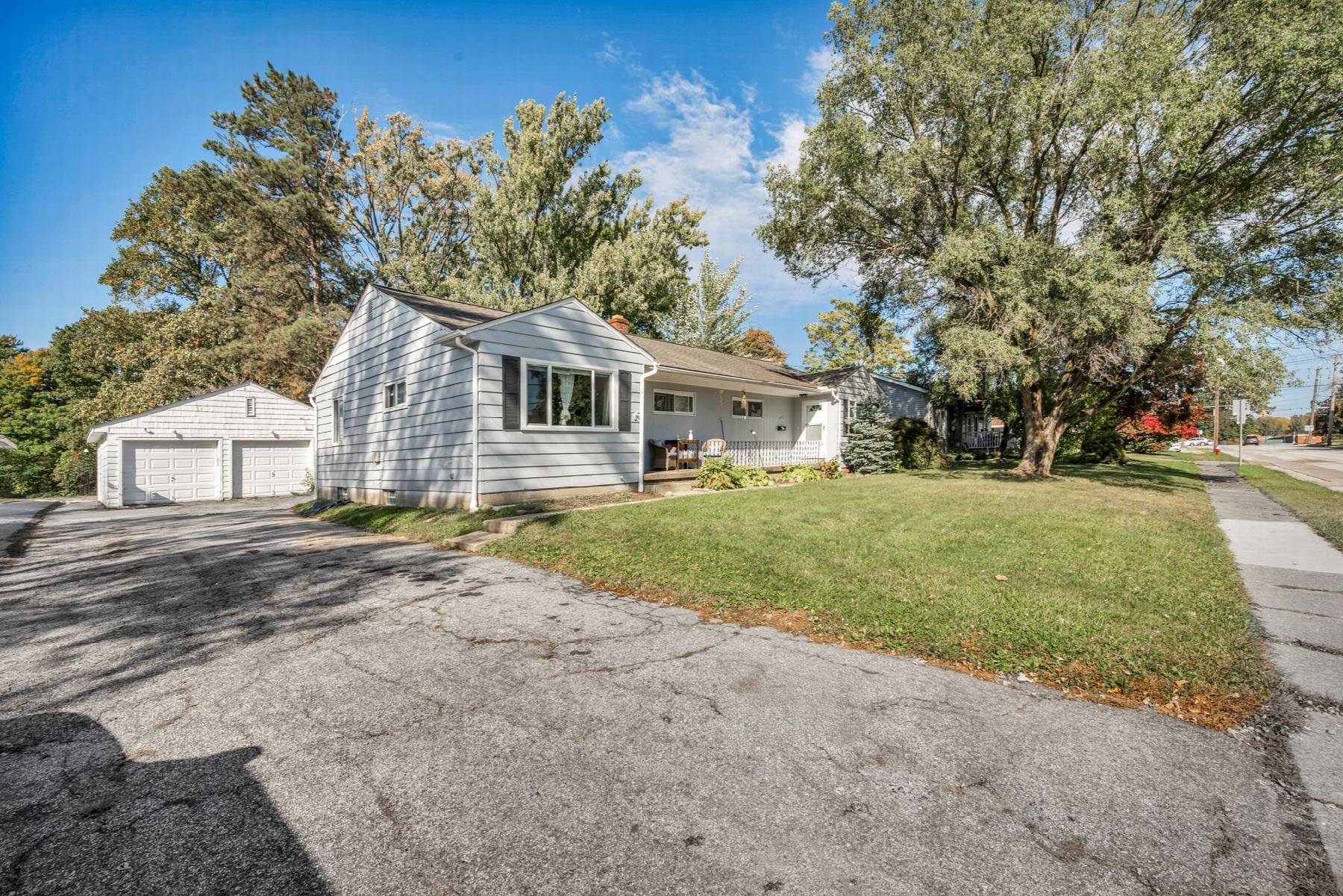
Real estate and land values depend on exact location, zoning, condition, comparable recent sales and buyer demand at the time of a sale. A review gives a reasoned view of those factors. It does not set a price, and two specialists looking at the same property can weigh them differently.
Independent Service Roadmap states that the consultation call maps out a concrete service scope, such as administrative workflows, copywriting, bookkeeping prep, content repurposing or local business support, along with realistic weekly hours and first-client steps. That is the home-based side of the conversation, and it sits next to the property side rather than replacing it.
Sending details has a consequence worth knowing about. By submitting contact details on a valuation page, you agree that real estate agents or property valuation partners may call or email you about the property and a possible sale. That is how the review reaches you, so decide beforehand how you would like to be contacted.
What it takes from you: time, paperwork and patience
Here is the ordinary part, laid out line by line, for readers weighing a home-based service that fits around the rest of the day alongside the property side.
- Time
- The request is a short form and the call is a conversation, not a presentation. Building a home-based service afterwards is where the real hours go.
- Paperwork
- A phone, the details you already hold about the property, and any old estimates, contracts or notes that show how the space has been used.
- Patience
- Values lean on recent comparable sales and buyer demand, so a first view can change when a detail does. Revisions are part of the process.
The provider's own pages say there is no fee to join, and that visitors complete a short skill and availability check before speaking with an advisor. The point of the check is to avoid guessing which service to offer or how to price a starter package.
On its own site, Independent Service Roadmap explains that building a freelance or home-based service takes dedicated study, practice and client outreach, and that the consultation is there to provide a structured starting plan. Where it shows past-case client revenue, it describes the examples as illustrative, drawn from experienced freelancers and not promised as an outcome.
Any property rental, land lease or home-based service also needs local permits, preparation and active management. Those sit with the owner, not with the review, and they are worth checking with the local authority before anything is advertised.
Questions owners ask before sending a request
Is the review a formal appraisal?
No. It is a non-binding consultation. The specialist gives a reasoned view based on what you share, and nothing in the call sets a sale price or obliges you to sell, lease or sign anything.
Who will be on the line?
A specialist or a real estate agent, depending on the details you send. They are independent of this publication, which passes requests on and does not carry out the review itself.

Do past-case examples predict what my property will be worth?
No. Past-case examples are historical illustrations from other properties, and the review of yours starts from the ground up.
Can I use the review before deciding whether to sell or lease?
That is what it is built for. The review comes before the decision, and the decision stays with you.
Homeowners and land owners who want a realistic view of what they hold before selling or leasing it are the people this review is built around. So are owners of an underused outbuilding or spare room, and people with a professional skill they might offer to local clients. If a modest side income that leaves room for the rest of the week is part of the reason, the call is a place to hear what that would involve in time, preparation and outreach before committing to anything.